
Elevate your coffee experience from routine to ritual with our comprehensive guide to specialty beans, professional-grade brewing equipment, and techniques that unlock the complex flavors hidden in every cup. The journey from coffee drinker to coffee connoisseur begins here.
The global specialty coffee movement has transformed how we think about our daily brew. No longer just a caffeine delivery system, coffee has become an artisanal product worthy of the same appreciation given to fine wines. Understanding the nuances of origin, roasting, and brewing methods opens an entirely new world of flavor.
Understanding Specialty Coffee
Specialty coffee refers to the highest-grade coffee beans, scoring 80 points or above on the Specialty Coffee Association's 100-point scale. These beans are grown in ideal climates at optimal altitudes, carefully harvested at peak ripeness, and meticulously processed to preserve their unique characteristics.
What distinguishes specialty coffee from commercial-grade beans? Traceability, quality control, and flavor complexity. Specialty roasters can often trace beans to specific farms or even individual plots, ensuring consistent quality and supporting sustainable farming practices.

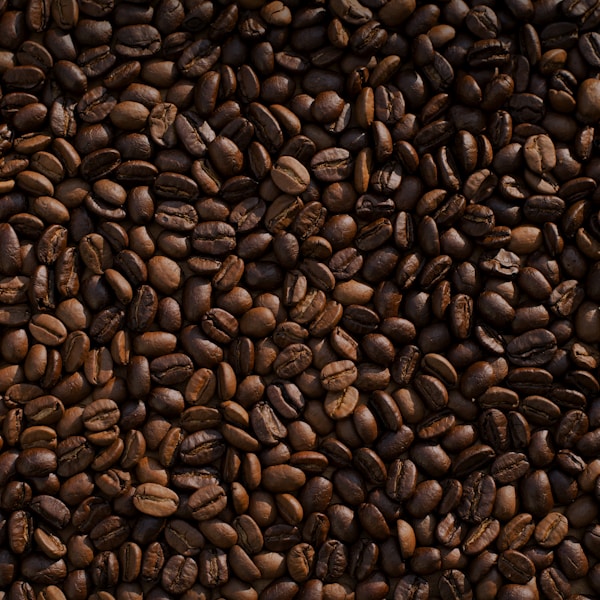
High-quality specialty coffee beans reveal complex flavors and aromas
Coffee Bean Origins and Flavor Profiles
African Coffees
Ethiopia: The birthplace of coffee offers bright, fruity, wine-like characteristics with floral notes. Ethiopian Yirgacheffe exhibits blueberry and jasmine flavors, while Sidamo brings chocolate and citrus.
Kenya: Known for bright acidity and full body, Kenyan coffees deliver complex berry flavors with wine-like characteristics and citrus undertones.
Central and South American Coffees
Colombia: Balanced sweetness, medium body, and mild acidity characterize Colombian beans. Expect caramel, nut, and chocolate notes with clean finish.
Costa Rica: Crisp acidity with bright flavor profiles featuring citrus, honey, and chocolate notes. The volcanic soil imparts distinctive minerality.
Asian Coffees
Sumatra: Full-bodied with low acidity, Sumatran coffees offer earthy, herbal, and spicy characteristics. The distinctive wet-hulling process creates unique flavor profiles.
Java: Smooth, mild body with rustic, earthy flavors and subtle spice notes.

Roasting develops and enhances the natural flavors present in coffee beans
Roast Levels Explained
Light Roast: Preserves origin characteristics with bright acidity and complex flavors. The beans reach an internal temperature of 356-401°F, stopping after the "first crack." Ideal for delicate, floral coffees.
Medium Roast: Balanced approach highlighting both origin characteristics and roasting flavors. More body and sweetness develop while maintaining some acidity. Temperature reaches 410-428°F.
Dark Roast: Bold, robust flavors with lower acidity and heavier body. Roasting flavors dominate, creating chocolate, caramel, and smoky notes. Beans reach 437-446°F, past the "second crack."
Essential Brewing Methods
Pour Over (V60, Chemex, Kalita Wave)
Pour over methods offer complete control over extraction, producing clean, nuanced cups that highlight coffee's subtle flavors. The technique requires precision but rewards with exceptional clarity.
Technique: Use water just off boil (200-205°F), maintain 1:16 coffee-to-water ratio, and pour in controlled circular motions. Total brew time should be 3-4 minutes.
French Press
Immersion brewing creates full-bodied coffee with pronounced flavors and natural oils. While less clean than filtered methods, French press delivers rich, textured cups.
Technique: Coarse grind, 1:15 ratio, 4-minute steep time. Press slowly and pour immediately to prevent over-extraction.

Proper brewing technique transforms quality beans into exceptional coffee
Espresso
The foundation of café drinks, espresso requires specialized equipment but offers unmatched intensity and complexity. Proper extraction balances sweetness, acidity, and bitterness in concentrated form.
Technique: Fine grind, 18-20g dose, 25-30 second extraction yielding 36-40g liquid. Pressure should be 9 bars with water temperature 200-202°F.
AeroPress
Versatile and portable, the AeroPress uses air pressure to force water through coffee grounds, creating smooth, concentrated coffee. Endless recipe variations accommodate different preferences.
Technique: Multiple methods exist—standard produces clean coffee, while inverted method allows steeping. Experiment with grind size, water temperature, and steeping time.
The Importance of Water
Coffee is 98% water, making water quality crucial. Tap water containing chlorine, heavy minerals, or impurities negatively impacts flavor. Ideal brewing water contains 150mg/L total dissolved solids with balanced mineral content.
Use filtered water or third-wave water packets designed specifically for coffee brewing. Never use distilled water—minerals are necessary for proper extraction.
Grinding: The Critical Step
Fresh grinding immediately before brewing dramatically improves flavor. Coffee begins losing aromatics within minutes of grinding as increased surface area accelerates oxidation.
Invest in a quality burr grinder—blade grinders create inconsistent particle sizes that extract unevenly. Burr grinders produce uniform grounds essential for balanced extraction.
Grind size guide:
- Extra fine - Turkish coffee
- Fine - Espresso
- Medium-fine - Pour over, AeroPress
- Medium - Drip coffee makers
- Coarse - French press, cold brew
Storage and Freshness
Coffee peaks 7-21 days after roasting, then gradually declines. Purchase whole beans in quantities you'll consume within two weeks. Store in airtight containers away from light, heat, and moisture. Never freeze or refrigerate coffee—temperature fluctuations create condensation that degrades quality.

The perfect cup of coffee represents the culmination of careful selection and preparation
Tasting Coffee Like a Professional
Developing your palate enhances appreciation and helps identify flavors. Professional cupping follows structured protocols, but home tasting can be simple:
- Smell - Note the dry grounds' aroma, then smell again after adding water
- Slurp - Aerate the coffee across your palate to engage all taste receptors
- Identify - Note acidity, body, sweetness, and specific flavor notes
- Evaluate - Consider balance, complexity, and how flavors develop as coffee cools
Use the Specialty Coffee Association's flavor wheel as a reference. Common descriptors include: fruity (berry, citrus), sweet (caramel, chocolate), nutty (almond, hazelnut), floral (jasmine, rose), and spicy (cinnamon, clove).
The world of artisan coffee offers endless exploration opportunities. Start with quality beans from a reputable roaster, invest in proper equipment, and refine your technique through practice. Each cup becomes not just a beverage but an experience—a moment of daily luxury crafted by your own hands.
Essential Coffee Equipment & Beans

Professional Espresso Machine
Breville Barista Touch

Specialty Coffee Bean Subscription
Blue Bottle Coffee